
I’m writing this on Sunday 1st March, feeling happy – earlier today 14 lovely people from this village gave up their Sunday afternoon to pick up litter from the High Street and surrounding areas. Thanks to them 8 bags of rubbish were removed from our streets and green spaces.
We also have positive news on a bigger scale. Recently three Environmental Working Group members, Councillors Liz Coppard, Clare Slater and Jane Wood, attended the first meeting of the Upper Nene Valley Wildlife Group, along with representatives of Heyford and Flore parishes. The group’s purpose is to record and improve wildlife habitat along the River Nene and surrounding area between our three villages (soon to be joined by Weedon).
West Northamptonshire Council currently has two important documents out for consultation: the Local Plan and the Local Nature Recovery Strategy (LNRS). The LNRS aims to halt the decline of wildlife and loss of biodiversity (one in six species are at risk of being lost from Great Britain, according to the recent State of Nature report). Groups like Bugbrooke Environmental Working Group and the Upper Nene Valley Wildlife Group will be looking to the LNRS for the framework for our local initiatives.
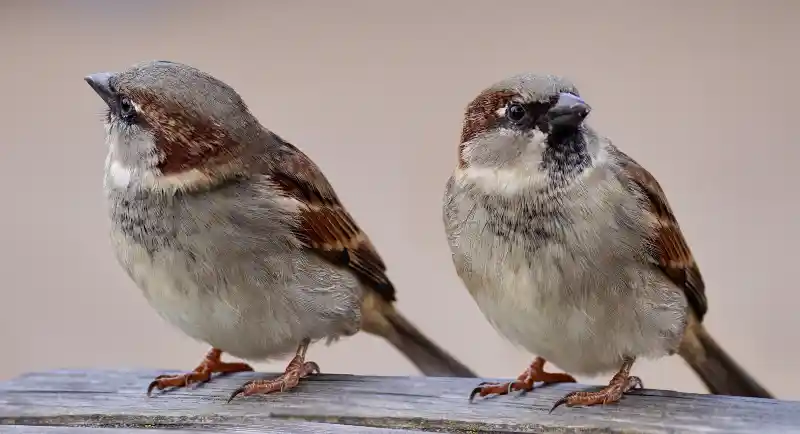
Bugbrooke Birdwatch 2026 – Results
This is the second year that BEWG has run the annual village birdwatch and we are very grateful to everyone who took part – a small but encouraging increase from 27 to 30 households.
Coincidentally the total number of species seen was also 30. This is the same as last year, though Pheasant and Treecreeper dropped out of the list, being replaced by Fieldfare and Lesser Spotted Woodpecker. The latter also winning my personal prize for ‘bird I would most like to see’.
Despite the increase in number of participants, most other measures went the wrong way – the total number of individual birds recorded fell from 994 in 2025 to 797 this year, the average number of species per garden dropped from 9.8 to 8.2 and the average number of birds per garden went from 37 to 27. Of the 28 species seen in both years, 17 were less numerous, 4 stayed the same and 9 increased in number. The ‘biggest losers’ were Starlings, whose numbers dropped from 202 to 133 and the ‘biggest winners’ Goldfinches, which went up from 61 individuals seen to 72. They were also the only bird in the 2026 Top Ten that increased in number.
Of course this is a fairly unscientific survey with quite a small sample, but nevertheless these declines are worrying. It will be interesting to see how our Bugbrooke results compare with the RSPB’s national survey, The Big Garden Birdwatch.
If you’d like to get more involved with the Environment Group, we hold regular meetings every second month on the first Wednesday. The next meeting is on Wednesday 6 May, 7.30pm at the Community Centre, and our next village litter pick will be on Sunday 3 May, 2pm start, meeting at the corner of Johns Road and Smitherway.
Follow us on Facebook or ask to be added to our email distribution list to receive meeting notes and other updates.
Clare Slater (clareslater.bpc@gmail.com) and Jane Wood (janewood.bpc@gmail.com or 07901775639)
Facebook: @BugbrookeEnvironmental